Rolfing FAQs
What is Rolfing®?
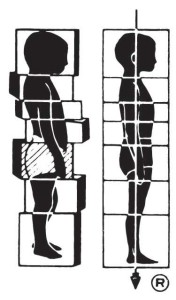
Rolfing® is a body-based therapy that aims to release restrictions in the connective tissue (fascia) and restore or enhance healthy function. The connective tissue manipulation aligns the body with respect to the gravity field. Clients experience better posture, pain reduction or elimination, improved mobility, and greater emotional or psychological well-being.
Rolfing® is not, as many people think, deep tissue massage.
How did Rolfing come about? Who invented it?
Rolfing has been around since the 1950s. Originally called Structural Integration, Biochemist Dr Ida P. Rolf, from whom it takes its name, developed the treatment. It has more in common with Osteopathy and Physiotherapy than massage, containing elements of each. A unique therapy, its basis is in bio-mechanics, with influences from other disciplines, like Hatha Yoga and Cranio-Sacral therapy.
What is Rolfing’s methodology or goal?
As body-workers, our approach is to bring your body back into alignment with gravity wherever insult or injury has caused chronic contraction of muscles, tendons, ligaments, and fascia; as well as to help the whole system be more adaptable.
Our aims are simple: more comfort, ease, and well-being in your body so that you can use it the way you want to. When your physical structure is more optimally balanced, it fosters a deeper feeling of connection to your core being.
Is Rolfing painful?
The first thing people usually hear about Rolfing is its age-old reputation for being painful. Rolfing is very rarely painful, at least in my practice. My clients typically report that Rolfing feels like satisfying deep pressure or a nice deep stretch. You’ll notice that my pressure changes throughout the session and from session to session. It’s all about having the right tool for the right job, i.e., some tissues respond better to a gentle touch, and some tissues respond better to a firmer touch. Communication between my client and me is very important and your level of comfort will always be respected.
How many Rolfing sessions do I need?
If you are looking to receive Classic Rolfing, where we do a full-body tune-up, then you should expect to do a series of 10 sessions. A series of at least 10 sessions gives us the best opportunity to fully address the entire body and the way it works as a whole unit. Bodies do not shape into their patterns overnight, so naturally it takes some time to reverse 20, 30, 40 years full of bumps, bruises, poor posture, and body usage.
Pain is a bit like a smoke-alarm, it’s pretty good about letting you know that something is wrong, it’s not so good about letting you know where the original issue started from.
It’s my job to find and resolve the original problem as well as address any compensation patterns that have come along with the issue. This takes time.
If your main goal is to address 1-2 specific body parts, then 3 – 8 sessions (or more) can be expected. Please note that I always take a whole-body approach, even to localized pain points. Your right-side low back pain could be coming from a lack of range-of-motion in your left ankle, or your left-side neck pain could be coming from an old wrist surgery.
Rolfing vs Massage: What’s the difference?
Massage is a broad term that refers to many styles of bodywork. The goals of most types of massage focus on relaxing individual muscles, whereas Rolfing looks to realign and re-sculpt the entire body into a better working (and feeling) unit. Some “deep tissue” massage works to release local patterns of structural strain, but this is not usually done as part of a strategy to balance the whole body. The goals of Rolfing require clients to be more actively involved than during massage sessions by performing specific movements, noticing sensations, and even getting off the treatment table to sit, stand, or walk. In addition to working with the connective tissue surrounding muscles during Rolfing sessions, I also blend in additional techniques to address entrapped nerves and arteries, imbalances at joints, as well as organ and cranial work.
How is Rolfing different from Chiropractic and massage?
Chiropractic therapy tends to focus on bone alignment and individual joints and typically uses high-velocity thrusting methods. However, unless the tension and strain in the soft tissue (fascia, muscles, tendons, & ligaments) are addressed, the bones will continue to be pulled out of alignment. The Rolfing method uses gentle soft tissue techniques to treat bony restrictions that are a part of the overall body pattern and restore structural alignment. The goal is to achieve balanced tension throughout the entire body, which allows the bones to fall back into their proper relationships naturally.
Are there Rolfing benefits for Back Pain?
Yes, there are many benefits that Rolfing can provide for back pain, which include reduce or eliminate pain, greater flexibility, and access to more strength through your legs, hips & core.
Back pain is the most common reason people come in to see me, although I work on hundreds of other issues as well. One of the challenges is that the pain could originate from anywhere in the body. A lack of range of motion in the ankle, an old c-section scar, a pinched nerve in front of your hip, or a misaligned neck vertebrae are all possible sources (among many others) of where your low back pain can stem from. I specialize in looking at your entire structure to figure out the source(s) and during our Rolfing sessions, work with a variety of tissues and use many techniques to help eliminate your back pain.
Can you use Rolfing for Posture Improvement?
Yes. One of the main goals in Rolfing sessions is to try to bring the body back into alignment, so improved posture is definitely attainable while working with a Rolfer.
Posture, from a structural integration standpoint, can be an indicator that something is not right in the body. The postural imbalance might be coming from a usage imbalance, or an entrapped nerve that is not allowing a muscle to fire as it is supposed to, or an old injury that the body has worked to compensate around. While most people will never be 100% symmetrical (most people aren’t born fully symmetrical, having slight variations in bone length), we can certainly decrease asymmetries and minimize old compensation patterns that are making it more challenging to use your body in the way you want.
Can Rolfing help with Chronic Pain?
As a Certified Rolfer, I can help relieve chronic pain through addressing the underlying imbalances and tension patterns that cause discomfort in the body. With gentle, targeted manipulation of the fascia—the connective tissue surrounding muscles and joints, nerves and arteries, and organ systems—Rolfing helps release restrictions, improve alignment, and restore natural movement. As the body becomes more balanced and supported within gravity, strain on overworked areas decreases, circulation improves, and pain often lessens.
Rolfing supports long-term change by addressing the root causes of pain and teaching new patterns of movement. Clients often experience long-term improvement in comfort and mobility.
At Horan Rolfing and Holistic Health, we believe that healing involves the whole person — body, mind, and spirit. Rolfing is more than a technique; it’s a journey toward balance, ease, and greater self-awareness. Many clients find that as their bodies become freer and more aligned, their energy levels, emotional well-being, and overall quality of life improves as well.
Is Rolfing for Athletes?
You bet it is. The primary goal of Rolfing is to optimize the human body so that it can move better in space and gravity. If anyone needs to optimize their bodies, it’s athletes. At my Rolfing practices in Bellevue & Tacoma, we will work to locate and address structural restrictions that are holding you back. Plus, we’ll work to optimize your tissues to help improve your performance and decrease the likelihood of future injuries.
Is it beneficial to do Rolfing for Injury Recovery?
Rolfing can be very beneficial to help you recover from an injury. I will work to mobilize the surrounding tissues to help improve mobility. I can work to calm inflamed nerves to help reduce pain and reduce neural tension so that the nerves are giving the appropriate signals for optimal functioning. I will also address unbalanced patterns in the surrounding tissues and structures to help reduce the likelihood of future injuries.
How much do Rolfing sessions cost?
Click Here to see a list of Rolfing’s pricing options at Horan Rolfing & Holistic Health. Lower rates are always available for children under thirteen; reduced rates for those in need are available on a case-by-case basis. For auto-accident cases, let’s talk about the best way to bill the insurance company. In general, Rolfing session payments can be made by cash, check, or credit card.
Can Rolfing help me recover from a car accident?
Yes, Rolfing can help you heal from a car accident. At Horan Rolfing in Bellevue and Tacoma, we specialize in helping people heal from the soft tissue injuries that commonly follow a motor vehicle accident. We can address whiplash, pain, and misalignment that result from a Motor Vehicle Accident (MVA). This injury-specific work is considered “manual therapy” in contrast to classic, holistic Rolfing. In the process of helping you heal from your MVA injuries, you will also likely experience some holistic improvement. I go into more detail on how I can help you recover from a car accident on this page.
Treatment is typically warranted until your health reaches a similar level as prior to the accident; this means you should be able to dance, hike, drive, work, and do other activities. If you have an MVA claim, my work is typically completely covered. In order to process the billing with your insurance company, I will need a prescription from any type of physician: medical doctor, osteopath, nurse practitioner, physician’s assistant, naturopath, or chiropractor. I will bill your insurance company directly, so please provide your claim number, agent’s name, and their phone number.
Does insurance cover Rolfing?
Motor Vehicle (Car) Accidents: I bill insurance companies directly IF you are coming to see me due to a recent motor vehicle accident and have Personal Injury Protection through your car insurance. Please email me directly before visiting if this is the case.
HSA Cards: Yes, you can use your Health Savings Account card to pay for Rolfing. I am happy to provide you with a receipt should your carrier require it.
General Insurance Coverage: I do not bill insurance companies directly (unless you are coming to see me as a result of a car accident). However, most of my clients are able to get reimbursed (anywhere from 20% – 75%) from their insurance companies if you have an itemized receipt from me, which I am happy to provide upon request.
Do the changes from Rolfing last?
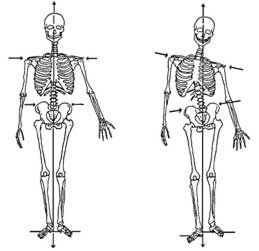
Yes. Photos show the changes from Rolfing to be long-lasting. Modifications to our alignment and usage patterns, such as sitting, standing, and walking, help the body maintain its new structure. The nature of Rolfing is to work with the body, not on it; this allows clients to take ownership of the body’s new structure. Since Rolfing addresses the body as a whole (posture, joint function, coordination, movement, etc) old patterns are replaced by new, healthier, and more efficient ones, which become easier and more natural for the body to maintain.
How often should I come?
Anywhere between 1 to 3 weeks in between Rolfing sessions is just fine. I have clients who are only able to make it in once per month (due to financial or time constraints), and we’re able to work around that as well if they are willing to do more homework in between sessions.
What should I wear for Rolfing sessions?
Because I need to constantly assess (before, during, and after the session) where there might be restrictions or holding patterns, men typically go through the sessions in their regular underwear, and women in a 2-piece bathing suit or bra and underwear. However, I want you to feel comfortable in my practice, so gym shorts and sports bras / tank tops are also fine (the less back area the sports bra / tank-top covers, the better). In general, the more loose fitting the clothing, the better, as it’s exceptionally important for me to have access to the skin’s surface. Once you are on the table, you can have a sheet or blanket to cover up with if you wish.
How long are Rolfing sessions?
Appointments typically last an hour and fifteen minutes. Please print, fill-out and bring the Client Information Sheet to your 1st session.